
If you run an outpatient surgery center, your website probably gets more visitors than your front desk gets phone calls. The problem is most of that traffic slips away. People compare options, get distracted, and never book. Staff is already juggling phones, authorizations, and surgeons’ schedules, so no one has time to chase every half-interested visitor.
AI and automation change that equation. Used correctly, they turn your website into a 24/7 lead generation and lead conversion engine, and they do it without burning out your staff.
How Surgery Centers Can Use AI & Automation To
Turn Their Website Into a 24/7 Lead Machine

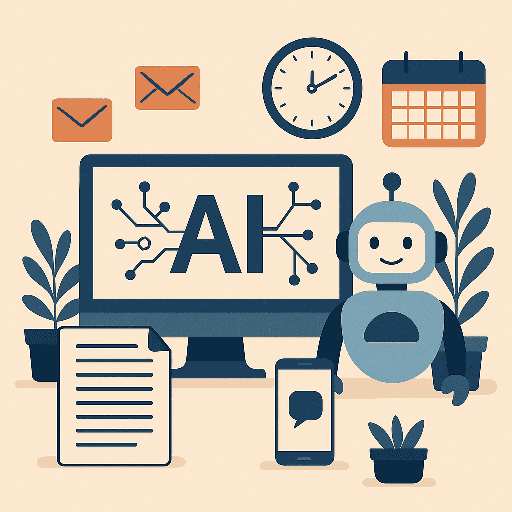
Step 1: Put an AI Assistant on Your Website
The fastest win is to add an AI Assistant that sits on your site and answers questions in natural language. Think of it as a digital front desk that never takes a break.
A well trained AI Assistant for a surgery center can:
- Answer common questions about procedures, risks, recovery, and preparation.
- Explain insurance, referrals, and what paperwork patients need to bring.
- Help visitors understand whether they are a fit for your center or should talk to their primary doctor first.
- Offer next steps, such as requesting a call back or consultation.
Instead of visitors bouncing after reading one page, they can ask everything they would ask a human, get clear answers, and move closer to booking.
Step 2: Capture Leads While They Are Most Interested
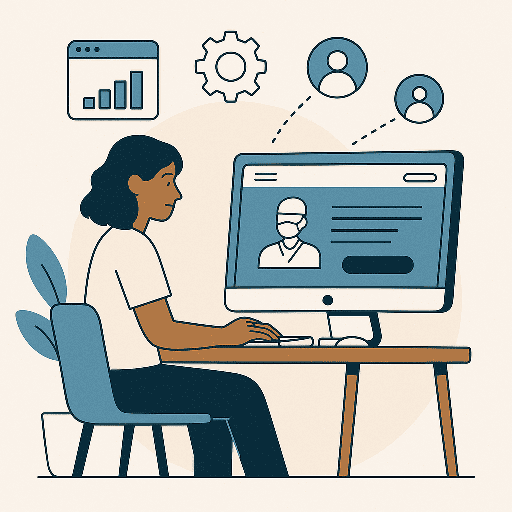
Information is helpful, but leads pay the bills. Your AI Assistant and website should always be working together to capture contact details from people who are ready for the next step.
Examples of AI-driven lead capture for surgery centers include:
- Request a call back flows when someone is asking about a specific procedure.
- Short forms that appear after the Assistant answers several questions.
- Simple pre-consult intake that captures name, contact info, referral source, and procedure interest.
Step 3: Reduce Staff Time on Repetitive Questions
Your front desk and nursing staff answer the same questions all day:
- Do I need to fast before my procedure?
- When can I return to work?
- What time do I need to arrive?
- Where do I park?
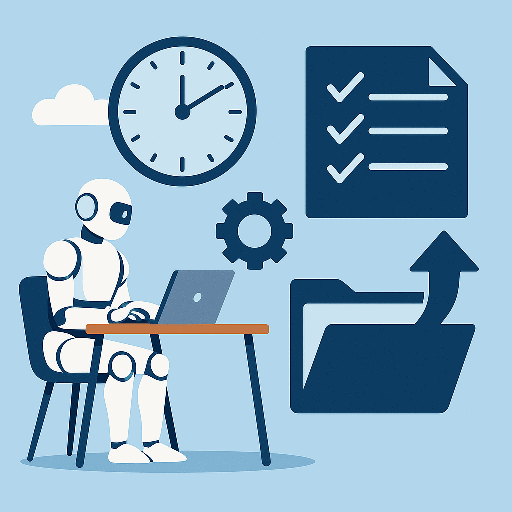
Once your AI Assistant is trained on your instructions and pre-op and post-op guidelines, it can handle most of these questions automatically. Staff can then focus on calls that truly require a human, such as complex medical history, scheduling details, or emotional support.
Step 4: Use Automation to Plug the Leaks in Your Funnel
Helpful automations for surgery centers include:
- Follow-up sequences for people who requested information but did not book.
- Reminders for upcoming procedures with links to preparation instructions and AI Assistant support.
- Post-procedure messages that check in, remind patients about restrictions, and collect reviews.
- Reactivation campaigns for patients who cancelled or postponed.
Step 5: Improve SEO So The Right Patients Can Find You
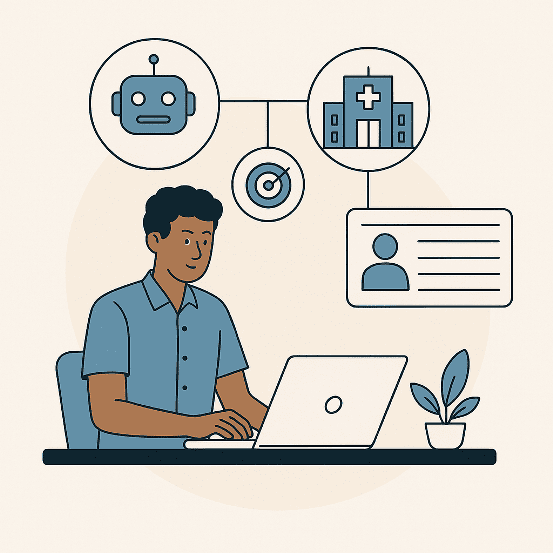
For surgery centers, high-value SEO work includes:
- Clear procedure pages that match real searches patients make, such as 'laparoscopic hernia repair' or 'arthroscopic knee surgery near me'.
- Location-specific pages that reflect your real catchment area.
- Structured data (schema) that tells search engines what your center does and where you are.
- FAQ sections that answer the questions people type into Google and AI tools.

Step 6: Prepare for GEO (Generative Engine Optimization)
GEO is the practice of making your content easy for AI systems to understand and cite. For a surgery center, that means:
- Creating clear question-and-answer content about conditions, procedures, and recovery.
- Using FAQ and FAQPage schema so AI models can parse your expertise more easily.
- Ensuring your center is consistently named and described across the web, so AI tools know you are a credible local option.

Step 7: Turn Data Into Better Decisions
With AI Assistants and automation in place, you gain new visibility into questions like:
- Which procedures are people asking about most often?
- Where are visitors dropping off in your booking journey?
- Which pages lead to the most AI Assistant conversations and consult requests?

The Bottom Line for Surgery Centers
Your website should not be a digital brochure that waits passively for visitors to figure out what to do. With AI and automation, visitors get quick, accurate answers to their questions, your team spends less time on repetitive calls and emails, and more people convert from visitors into scheduled consults. SEO and GEO improvements make it easier for the right patients to find you in the first place.
Surgery Center AI & Automation FAQs
The Assistant is trained only on your approved content, such as procedure descriptions, pre-op and post-op instructions, clinic policies, and FAQ documents. It does not invent its own medical advice. It simply presents your information in a more conversational way.
No. The Assistant is designed to educate and guide, not to diagnose or replace a surgeon’s judgment. It should always encourage patients to speak with their physician for specific medical decisions.
No. AI reduces repetitive tasks such as answering basic questions and collecting simple details. Your team still handles scheduling, complex cases, and high-touch patient interactions.
Visitors who arrive on your site after hours can chat with the AI Assistant, get answers, and request a call back or consultation. Those leads are then sent to your team to follow up when the office opens.
Structured FAQs, clear procedure pages, and consistent schema help search engines understand what your center does and which searches you should appear for. Over time, this improves visibility for high-value searches in your local market.
GEO, or Generative Engine Optimization, is about making your content easy for AI tools to understand and reference. As more patients use AI to research surgeries, centers that have clear, structured content and FAQs are more likely to be cited.
Some benefits appear quickly, such as fewer repetitive calls and more website leads. SEO and GEO improvements usually build over several months as search engines and AI tools process your updated content and schema.
 Member Pricing
 Free Trial
 Launch
 Growth
 Scale
Scale Custom